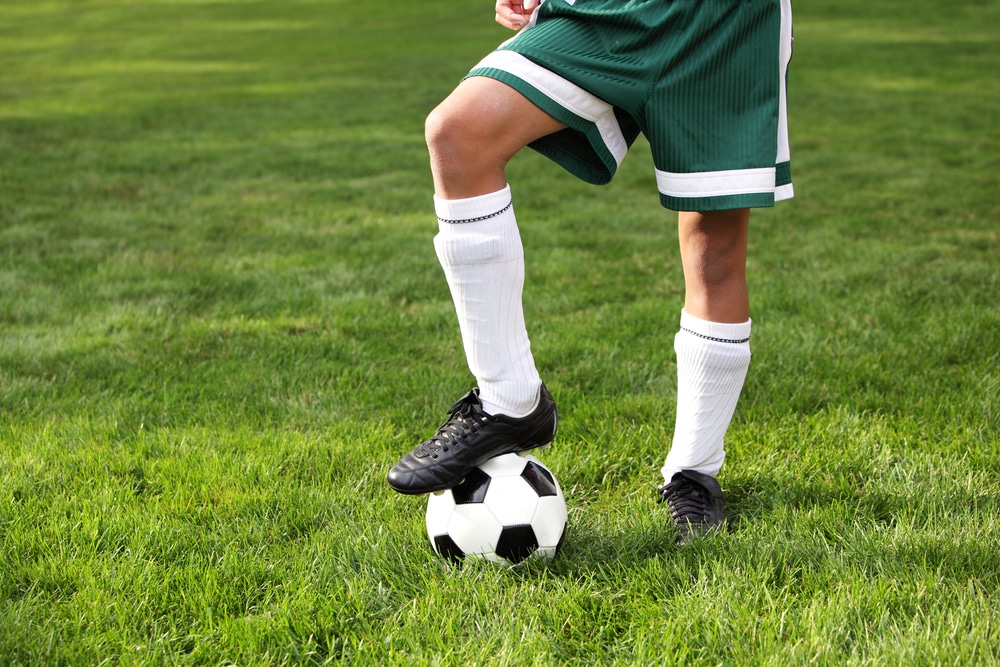
Is your child complaining of pain just below the kneecap after sports or gym class? Osgood-Schlatter disease is a common cause of knee pain in growing adolescents, especially active teens. While this condition often improves with time, persistent symptoms can interfere with sports and daily activities.
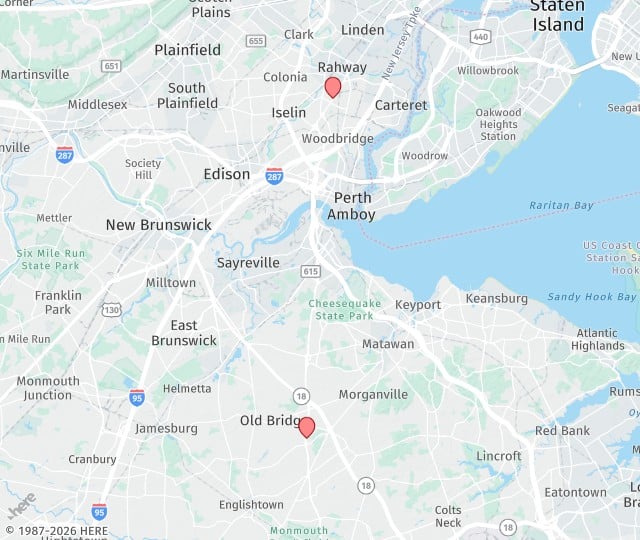
Cristobal Beiro, MD, is a board-certified orthopaedic surgeon with subspecialty certification in Sports Medicine. Fellowship-trained and experienced in treating young athletes, he provides comprehensive knee care in Avenel, NJ.
What Is Osgood-Schlatter Disease?
Osgood-Schlatter disease is an overuse injury that affects the growth plate at the top of the shinbone (tibia), just below the kneecap. It typically occurs during growth spurts when bones, muscles, and tendons are changing rapidly.
Repetitive activities like running, jumping, and quick direction changes place stress on the patellar tendon, which pulls on the developing bone. Over time, this can cause inflammation and a painful bump below the kneecap.
Who Is at Risk?
This condition most commonly affects:
- Teens ages 10 to 15
- Active athletes
- Children involved in soccer, basketball, track, or gymnastics
- Adolescents during rapid growth phases
Both boys and girls can develop Osgood-Schlatter disease.
Symptoms to Watch For
Common signs include:
- Pain below the kneecap
- Swelling or tenderness at the tibial tubercle
- Increased pain with activity
- Relief with rest
The bump below the knee may remain even after pain improves.
Diagnosing Osgood-Schlatter Disease
Diagnosis typically involves a thorough physical examination and a review of medical history. Dr. Beiro will assess the knee for tenderness, swelling, and the characteristic bump at the tibial tubercle. He’ll also evaluate the range of motion and ask about activity levels and symptom patterns.
In most cases, Osgood-Schlatter disease can be diagnosed clinically without imaging. However, X-rays may be ordered to rule out other conditions, such as fractures or bone tumors, especially if symptoms are atypical. Early and accurate diagnosis ensures your child receives appropriate treatment and can safely return to activities.
How Is It Treated?
Most cases improve with conservative care. Treatment may include:
- Activity modification
- Ice and anti-inflammatory medication
- Stretching and strengthening exercises
- Physical therapy
In rare cases where symptoms are severe or persist into adulthood, surgical intervention may be considered. Dr. Beiro carefully evaluates each patient to determine the best approach based on age, activity level, and symptom severity.
Recovery and Long-Term Outlook
Osgood-Schlatter disease often resolves once growth plates close. With proper management, most teens return to sports without long-term problems.
Early evaluation can help prevent worsening pain and reduce the risk of compensatory injuries.
Why Choose Cristobal Beiro, MD, for Osgood-Schlatter Disease Treatment in Avenel, NJ?
Dr. Cris Beiro completed his medical training at Rutgers University – New Jersey School of Medicine and his sports medicine fellowship at Union Memorial Hospital in Baltimore. He has treated athletes at every level, including professional and collegiate teams.
Board-certified and highly experienced in knee conditions, Dr. Beiro focuses on evidence-based care and patient outcomes. As co-founder of Garden State Bone and Joint and an attending physician at several area hospitals, he offers advanced orthopaedic expertise in a compassionate, community-focused setting.
Help Your Child Stay Active and Healthy
Knee pain during adolescence should never be ignored. With proper diagnosis and guidance, your child can continue to grow and stay active safely.
If your teen is experiencing knee pain in Avenel, NJ, contact Cristobal Beiro, MD, at (732) 283-2663 to discuss evaluation and treatment options.